



Premises Liability
Sacramento Premises Liability & Slip and Fall Lawyers
Property owners and others who control property must use reasonable care. A claim may depend on whether they created a dangerous condition, knew about it, or should have discovered it in time to repair it, protect against harm, or give an adequate warning. Proving those facts is our job.
Free and confidential. We will explain the next practical step.
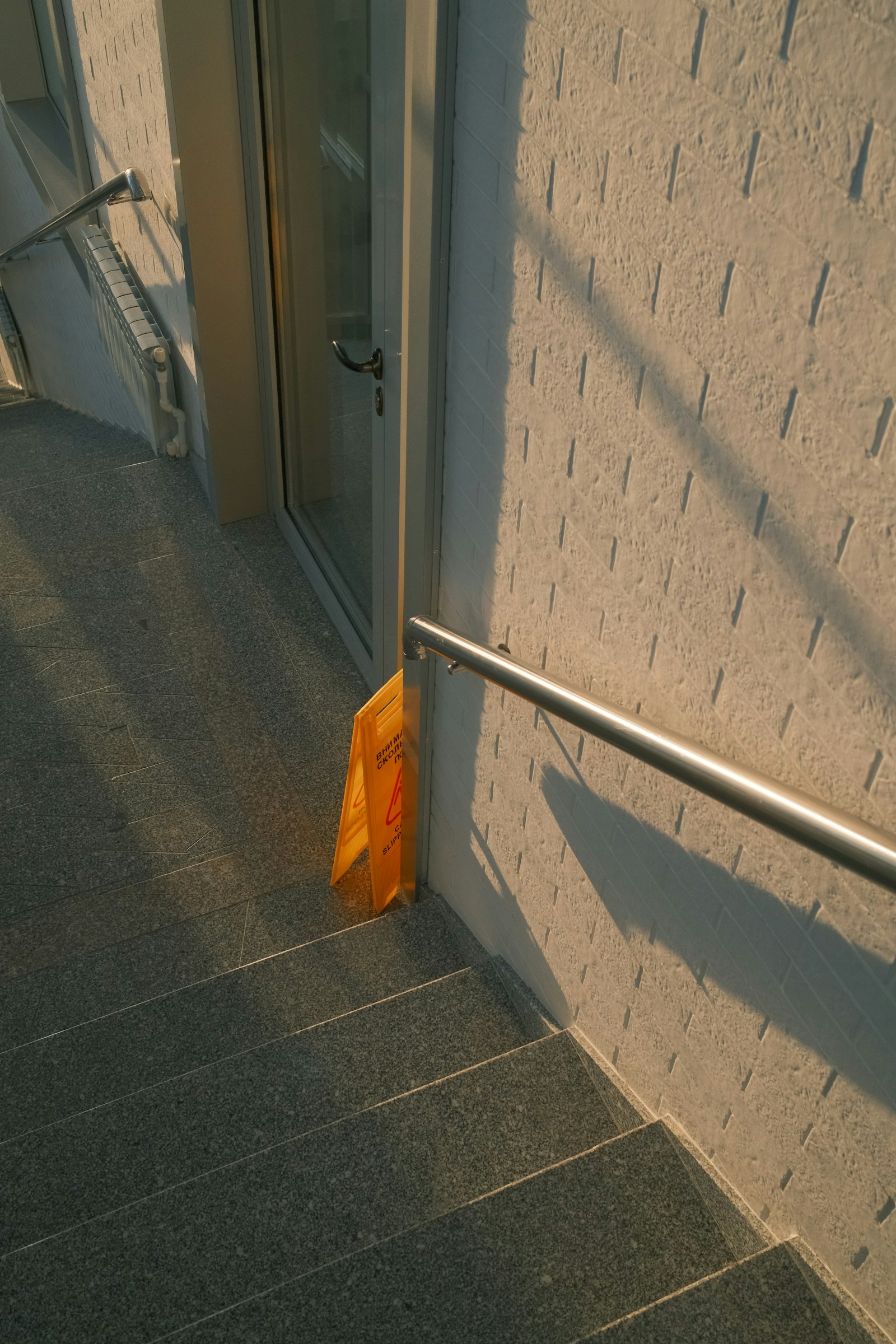
Focused reviewWe start with the facts that matter.
Clear guidanceWe explain the practical options and next steps.
Prepared advocacyWe build the record before the other side defines it.
In Plain Terms
Falling on someone's property does not automatically create a claim. Responsibility depends on who owned, leased, occupied, or controlled the property; what made the condition unreasonably dangerous; and what reasonable care required under the circumstances. Photograph the condition and surrounding area, report the incident, collect witness information, and seek appropriate medical care.
What Premises Liability Actually Requires
California premises-liability claims generally require proof that the defendant owned, leased, occupied, or controlled the property; was negligent in its use or maintenance; the claimant was harmed; and the negligence was a substantial factor in causing that harm. When the defendant did not create the condition, actual or constructive notice can be central. The facts may include how the condition arose, how long it existed, whether reasonable inspections occurred, and whether the owner or operator repaired it, protected against harm, or gave an adequate warning.
Slip and Fall Claims: Notice, Inspections, and Evidence
Slip and fall claims often turn on what created the dangerous condition, how long it existed, whether reasonable inspections occurred, and what the property owner or operator did in response. Store inspection practices, incident reports, photographs, surveillance footage, maintenance records, witness accounts, and prior complaints may help establish what happened and whether the condition should have been discovered.
More Than Falls
Premises liability can involve more than a traditional slip and fall. Dangerous stairs, poor lighting, unsafe walkways, inadequate maintenance, rental-property conditions, and some negligent-security claims may raise questions about who controlled the property and what reasonable precautions were required.
Negligent-security claims depend heavily on foreseeability and the circumstances surrounding the property and proposed precautions. Rental-property claims can depend on control, notice, lease or common-area responsibilities, statutory duties, and the particular condition.
Dog-bite claims can involve different legal rules and should not be treated as merely another notice-based premises claim. Learn more about our Dog Bite Injuries practice.
Why Prompt Investigation Matters
Prompt investigation can help preserve the condition of the property and evidence bearing on control, notice, inspections, and causation. Photographs, incident reports, surveillance footage, inspection and maintenance logs, witness information, and prior complaints may be important, and some records or video may be routinely overwritten. The notice analysis can differ when the defendant created the condition or when public property is involved.
Straight answers
Questions people ask
These are general answers. The right next step depends on the facts, evidence, injuries, and available coverage.
I fell in a store. Do I have a case?
It depends. A store is not automatically liable for a fall. Relevant facts can include what created the condition, how long it existed, what inspections occurred, whether the store knew or should have known about it, and what the store did in response.
What should I do right after a fall?
Report the incident, photograph the condition and surrounding area, preserve relevant clothing or footwear, collect witness information, and seek appropriate medical care. Consider speaking with a lawyer promptly so potentially important video and records can be identified and requested.
How long do I have to bring a claim?
Many California personal-injury lawsuits generally must be filed within two years, but accrual rules and exceptions vary. If a public entity may be involved, a government claim generally must be presented within six months before a lawsuit. Get advice promptly rather than assuming a deadline.
Related practice areas
Find the right path for the facts.
Appelblatt Mazzola LLP
Tell us what happened.
We will listen, assess the information available, and explain the next practical step. The case review is free and confidential.